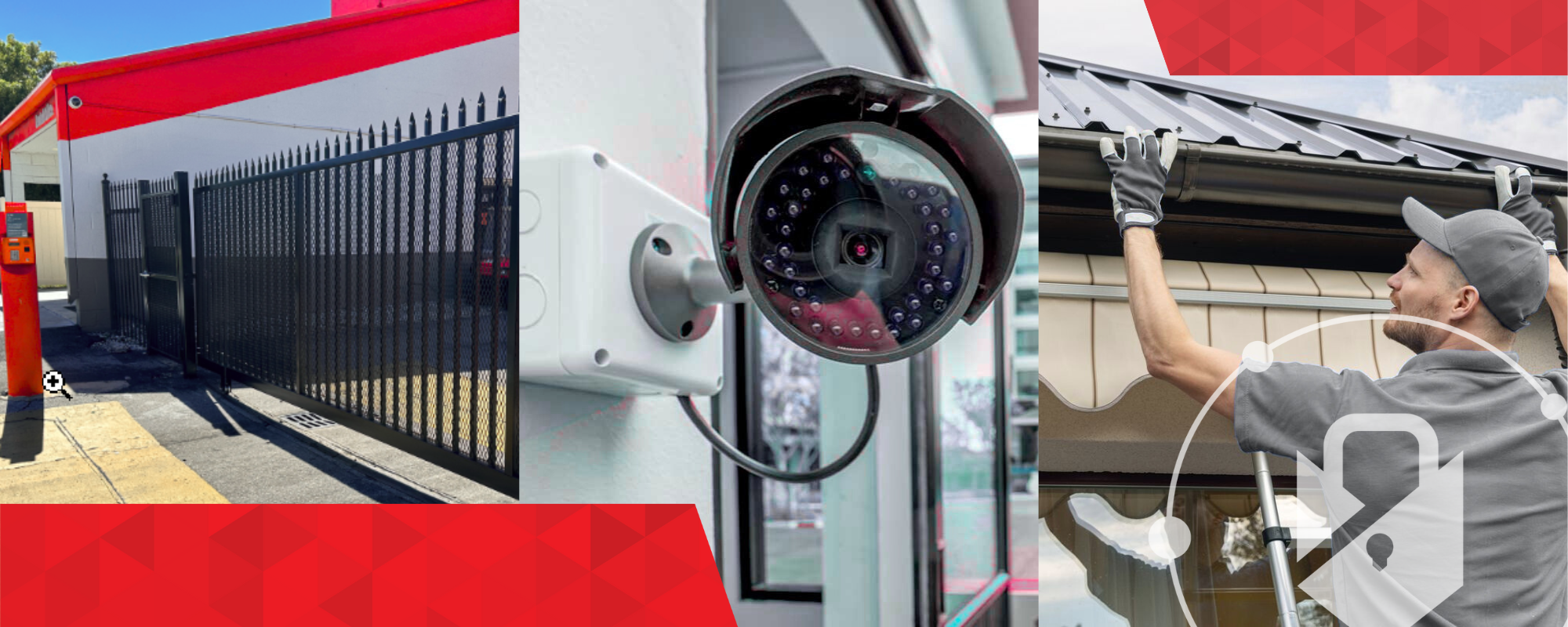
Written By Scott Underbrink, President of Access Control Technologies, Janus International Group
As the self-storage industry continues to evolve, so must the infrastructure that supports it. At Access Control Technologies (ACT), we’ve spent decades working alongside facility operators, helping them navigate the shifting landscape of gate and security systems. With 2026 on the horizon, we see a clear opportunity—not just for upgrades, but for a strategic rethinking of how security infrastructure contributes to operational excellence and tenant experience.
This blog offers a framework for building a proactive maintenance plan, informed by our experience in gate systems, surveillance infrastructure, and access control technologies.
Rethinking the Gate Operator: From Mechanical to Intelligent
Gate operators have traditionally been viewed as mechanical necessities—functional but static. Today, they’re becoming intelligent entry points that integrate with broader security ecosystems.
At ACT, we’ve observed that many self-storage facilities still rely on gate operators that are over a decade old. These systems often struggle with reliability and compatibility. The shift toward smarter gate infrastructure isn’t just about technology—it’s about reducing downtime, improving diagnostics, and ensuring seamless integration with access control.
2026 Insight: If your gate operator is aging or frequently requires service, consider a full replacement. Look for models that support remote monitoring and diagnostics and ensure compatibility with your broader access control strategy.
Surveillance Systems: Intelligence Over Observation
Surveillance has moved beyond passive recording. AI-enabled camera systems now offer real-time insights, anomaly detection, and license plate recognition—tools that empower operators to respond proactively rather than reactively.
ACT supports the infrastructure that powers these surveillance systems. Structured cabling, low-voltage design, and system integration are critical to ensuring that surveillance systems perform reliably and scale effectively.
2026 Insight: Upgrade to IP-based cameras with AI capabilities. Pair them with a robust infrastructure plan that includes regular maintenance and firmware updates. Surveillance should be a source of intelligence, not just evidence.
Access Control: Preparing for the post-Falcon XT Era
The news of the sunset of legacy systems like PTI FalconXT marks a turning point. Operators are now exploring cloud-based platforms that offer mobile credentialing, real-time alerts, and remote management.
ACT has been deeply involved in helping facilities transition to modern access control. The goal isn’t just to replace old hardware—it’s to rethink how access contributes to security, convenience, and operational insight of your self-storage facility.
2026 Insight: Begin planning your migration now. Evaluate platforms that integrate with your property management software and support mobile access. Ensure your infrastructure and team are ready for the shift.
Maintenance as Strategy
Security infrastructure requires more than reactive fixes—it demands structured, proactive care. ACT encourages operators to build maintenance calendars that include weekly, monthly, quarterly, and annual tasks.
At ACT, we support this strategy through tailored service plans, infrastructure-readiness consulting, and lifecycle planning that extends beyond equipment upkeep. We encourage the use of digital tools to automate reminders, assign responsibilities, and track performance—because effective maintenance isn’t just about fixing what’s broken; it’s about building systems that stay strong, adapt to change, and support long-term goals.
2026 Insight: Use digital tools to automate reminders and track task completion. Assign responsibilities clearly and review performance regularly. Maintenance isn’t just about equipment—it’s about accountability.
Budgeting for Longevity
Security planning is also financial planning. At ACT, we recommend budgeting not only for routine maintenance but also for strategic upgrades and service agreements that ensure uptime and responsiveness.
2026 Insight: Include line items for system replacements, software subscriptions, training, and emergency repairs. Consider service agreements that align with your operational goals and provide predictable support.
Security as a Strategic Asset
At ACT, we believe security infrastructure should be viewed as a strategic asset—not just a technical necessity. When thoughtfully maintained and intelligently upgraded, gate and security systems can enhance tenant trust, reduce operational friction, and position your facility as a leader in the market.
2026 Insight: Start early. Audit your systems, engage your team, and build a plan that reflects both your current needs and future ambitions. Security isn’t just about protection—it’s about evolution.
Final Thoughts:
Security is no longer a reactive measure—it’s a proactive investment in your facility’s future. By embracing the evolution of gate operators, camera systems, and access control, and committing to a structured maintenance plan, you’re not just protecting your self-storage property—you’re building a smarter, safer, and more resilient operation. 2026 is your opportunity to lead with confidence, plan with precision, and secure your success.
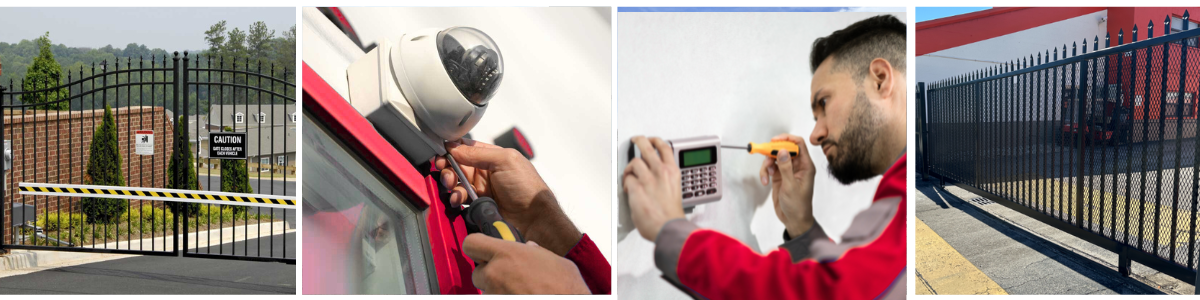
Learn more about how ACT solutions and services help keep your self-storage facility safe and secure.
 About Our Author
Scott Underbrink is the president of Access Control Technologies (ACT) within Janus International Group, bringing 30 years of experience and expertise in technology, construction, infrastructure, access control, digital CCTV, gate and barrier systems, all things low voltage, and facility improvements within the self-storage sector. He has forged many industry relationships with strategic partners in manufacturing, property management, and 3rd party integrators.
Prior to starting ACT in 2004, Scott worked in various roles within access control technology companies – including services, sales, operations manager, president, and CEO. At the helm of ACT, Scott built it to become one of the largest national integration companies in the self-storage industry.